
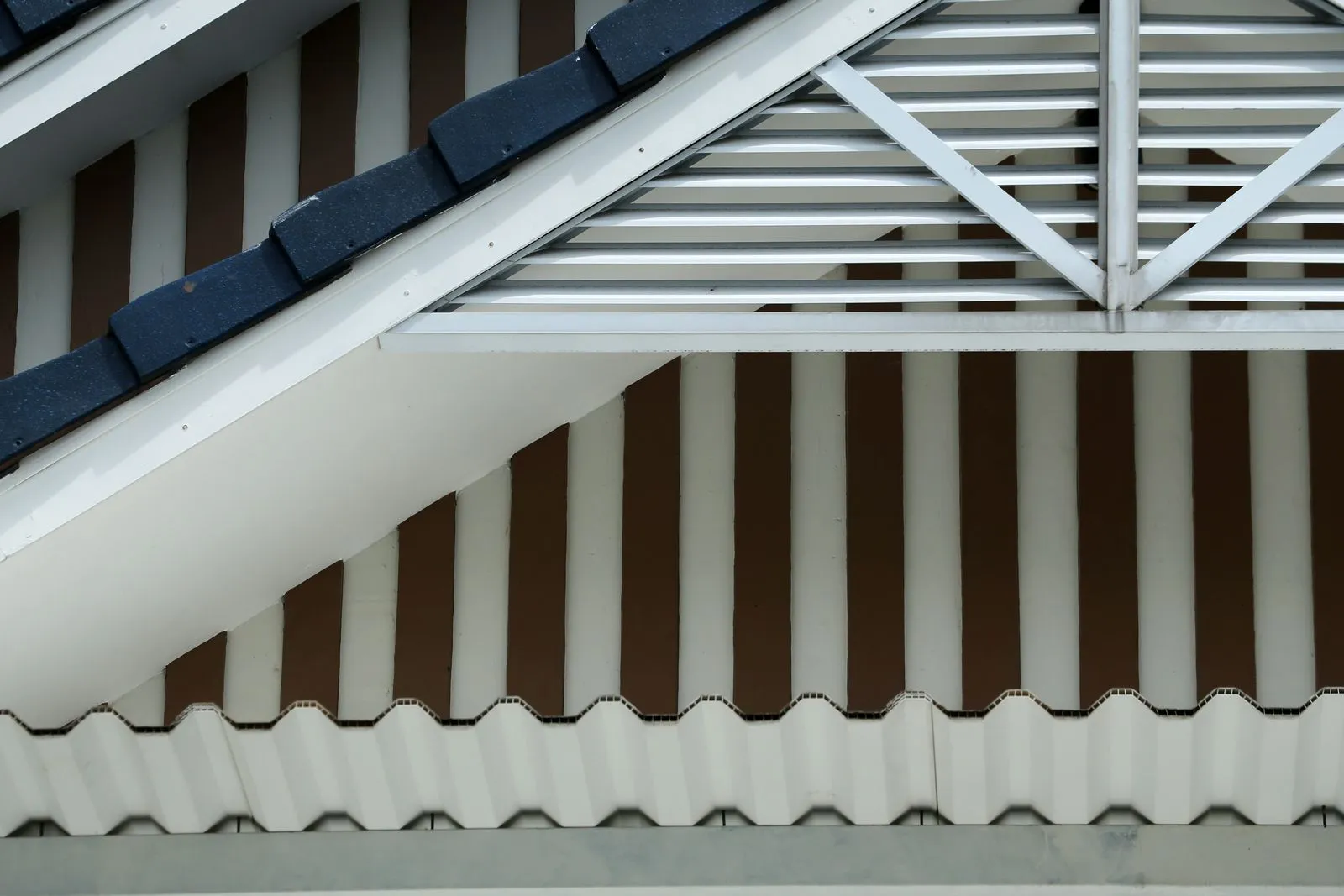
A roof can make a deck more comfortable, but the right choice depends on how you plan to use the space. Some designs preserve daylight and an open feel; others provide stronger shade and shelter from rain. Materials also differ in appearance, upkeep, and how they fit the home. Before choosing, consider the deck’s exposure, the rooms beside it, and the maintenance you are willing to handle. A clear comparison can help you narrow the options.
Compare the Main Roof Styles
A solid roof offers the most consistent shade and rain protection. It can make a deck feel like an outdoor room and may suit frequent dining or lounging. The trade-off is reduced daylight beneath the roof and potentially less light through nearby windows. Consider how much sun the deck gets and whether the interior rooms need that natural light before selecting a fully covered design.
A pergola uses spaced rafters or slats to create partial shade while keeping the structure visually open. It generally provides less protection from wind-driven rain than a solid roof. Adjustable louvers can give you more control over sun and shade, though the moving parts add complexity. A translucent roof is another option when you want overhead weather protection without blocking as much daylight as an opaque covering.
Choose a Material That Fits
Metal roofing can create a crisp, modern appearance and offers a solid barrier against rain when properly installed. Its profile, color, and underside finish affect how it looks from the deck and from inside the home. Ask how the roof will handle runoff and whether rain noise is a concern for your intended use. A sample viewed in the actual light can help you judge its color and visual weight.
Polycarbonate panels admit daylight and can be useful where keeping the deck bright matters. They come in different degrees of transparency and tint, so compare samples rather than assuming every panel will feel the same. Wood roof elements bring a warmer, more traditional look, but exposed wood needs appropriate protection and periodic attention. The best material balances appearance with the amount of cleaning and upkeep you can manage.
Plan for Light and Weather
Map where the sun falls during the times you use the deck. A roof that feels comfortable in afternoon sun may make an adjoining room noticeably darker. If daylight is a priority, consider a partial cover, translucent panels, or a design that leaves part of the deck open. Also think about privacy and wind exposure; a roof alone will not stop every draft or rain shower from reaching the seating area.
In San Francisco, local conditions can vary by neighborhood and site. Fog, wind, salt air near the coast, and winter rain may influence material selection and detailing. Make sure the plan addresses drainage, flashing where the roof meets the house, and secure connections to the structure. A qualified professional can assess the site and confirm what permits and building requirements apply to your project.
Match Upkeep to Your Routine
Every roof needs some attention. Leaves and debris can collect along edges and in gutters, so include safe access for inspection and cleaning. Check the manufacturer’s care guidance for the material you choose, and ask how often the roof, fasteners, seals, and drainage should be reviewed. Regular checks can help you spot blocked runoff or wear before it becomes a larger repair.
Before committing, compare the full installation plan rather than looking only at the roof surface. Ask how the design will connect to the house, where water will drain, and how the work will affect daylight in nearby rooms. Bay Shelter Decks can help homeowners in San Francisco discuss roof styles and materials for a covered deck. Keep your priorities clear so the finished space suits both your home and your routine.
The right covered deck roof balances shelter, daylight, appearance, and maintenance. Decide which benefits matter most, then compare styles and material samples against your site and daily use. Confirm drainage, structural connections, and local requirements before work begins. When you’re ready, discuss your deck plans with a qualified builder and explore an option that fits your home.